Hydraulic Brakes vs Mechanical Brakes: Why It Matters for E-Bikes
When choosing an e-bike, most riders focus on motor power, battery range, or riding style. Braking systems are often overlooked, even though they play one of the most crucial roles in rider safety. As e-bikes become faster, heavier, and more widely used across Australia, the type of brakes on your bike matters more than ever.
This e-bike brakes guide explains the difference between hydraulic brakes and mechanical brakes, and why choosing the right system can completely change how confident and safe your ride feels.
Understanding the role of brakes on an e-bike
E-bikes place more demand on braking systems than traditional bicycles. The extra weight from the motor and battery, combined with higher average speeds, means the brakes need to perform consistently in all conditions. That is why many riders upgrading or buying new models now pay close attention to e-bike brakes instead of treating them as an afterthought.
The right braking system improves control, reduces stopping distance, and allows riders to react quickly in busy or unpredictable environments.
How mechanical brakes work
Mechanical brakes use a cable system to apply pressure when the brake lever is pulled. This system is simple and widely used on entry-level bikes.
Mechanical brakes can work well for light riding and flat terrain, but they often require more hand pressure and frequent adjustment. Over time, cables can stretch, reducing braking performance. In wet or dusty conditions, stopping power may feel inconsistent.
For casual riders, mechanical brakes may be sufficient, but as riding conditions become more demanding, their limitations become noticeable.
How hydraulic brakes work
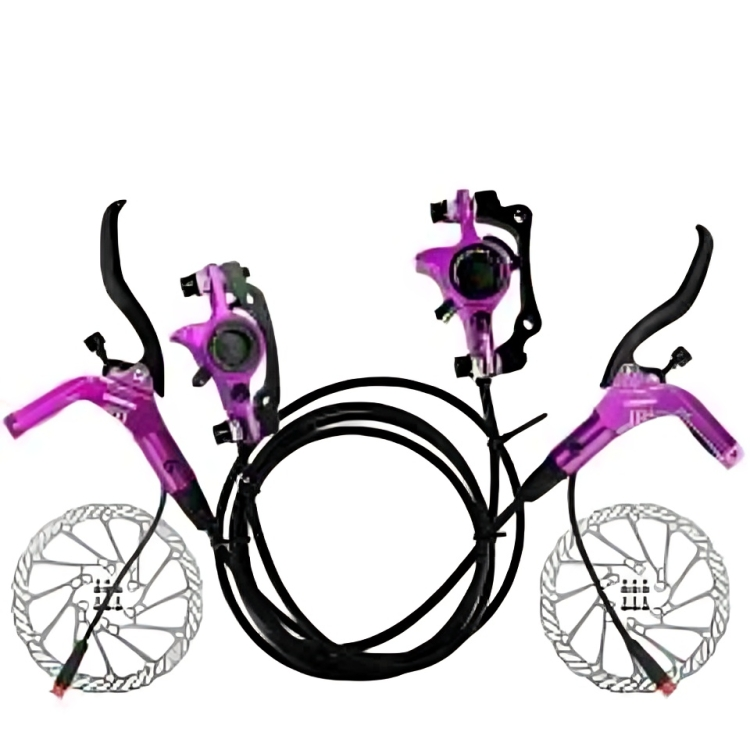
Hydraulic brakes use fluid instead of cables to transfer force from the brake lever to the brake pads. This creates smoother, more powerful, and more consistent braking.
Hydraulic brakes respond with less effort at the lever and offer better control, especially during sudden stops or downhill riding. This is why they are widely considered the best braking systems for e-bikes, particularly for riders who commute daily, ride off-road, or travel at higher speeds.
When riders search for the best hydraulic brakes for e-bikes, they are usually looking for reliability, safety, and confidence in real-world conditions.
Why hydraulic brakes are safer for e-bikes
Safety is the main reason many riders choose hydraulic brakes. They provide stronger stopping power with less hand fatigue, which is especially important on longer rides or steep descents.
Hydraulic systems also self-adjust as brake pads wear down, maintaining consistent performance over time. This reduces maintenance and ensures braking remains reliable even after months of regular use.
For Australian riders navigating traffic, shared paths, or coastal routes, this level of control makes a noticeable difference.
When mechanical brakes still make sense
Mechanical brakes are not without value. They are easier to maintain and repair, making them suitable for riders who prefer simple systems or ride occasionally. However, they are best suited for lighter e-bikes or low-speed riding.
As e-bikes become a primary mode of transport, many riders eventually consider upgrading.
Upgrading to hydraulic brakes
Upgrading from mechanical to hydraulic brakes is one of the most effective safety improvements an e-bike rider can make. Cooly Bikes offers electric bike hydraulic brakes upgrades designed to deliver stronger, smoother stopping power.
This upgrade is especially beneficial for riders who:
-
Commute regularly in traffic
-
Ride in hilly or coastal areas
-
Carry extra weight or cargo
-
Use their e-bike daily
An upgrade improves confidence and control without changing the overall riding experience.
Choosing the right braking system for your riding style
Choosing between hydraulic brakes and mechanical brakes depends on how and where you ride. If your e-bike is part of your daily routine, hydraulic brakes offer clear advantages in safety and performance.
For riders investing in long-term reliability, hydraulic brakes represent one of the best brakes for e-bikes available today.
Final thoughts
Brakes are not just a technical detail; they are a critical safety feature. As e-bikes continue to grow in popularity across Australia, understanding braking systems helps riders make better decisions.
Hydraulic brakes offer stronger performance, smoother control, and greater confidence compared to mechanical systems. Whether you are buying a new e-bike or upgrading an existing one, choosing the right brakes can transform how safe and enjoyable every ride feels.
For riders who value control, reliability, and peace of mind, hydraulic braking systems are a clear step forward.
Frequently Asked Questions
What is the difference between hydraulic brakes and mechanical brakes on e-bikes?
Hydraulic brakes use fluid to transfer braking force, while mechanical brakes rely on cables. Hydraulic brakes provide smoother, stronger, and more consistent stopping power, especially for e-bikes.
Are hydraulic brakes better for e-bikes?
Yes, hydraulic brakes are widely considered the best braking systems for e-bikes. They handle higher speeds and heavier bike weights more effectively than mechanical brakes.
Do hydraulic brakes require more maintenance than mechanical brakes?
Hydraulic brakes generally require less frequent adjustment because they self-adjust as brake pads wear. Mechanical brakes often need regular cable tightening and tuning.
Are mechanical brakes safe for e-bikes?
Mechanical brakes can be safe for light riding and flat terrain. However, for daily commuting, hills, or higher speeds, hydraulic brakes offer better safety and control.
Can I upgrade my e-bike to hydraulic brakes?
Yes, many e-bikes can be upgraded. Cooly Bikes offers electric bike hydraulic brakes upgrades that significantly improve braking performance and rider confidence.
Which braking system is best for Australian riding conditions?
For Australian conditions such as shared paths, traffic, hills, and coastal riding, hydraulic brakes provide better reliability and stopping power than mechanical systems.